ICIS3 - 2021
International Conference on Information Systems and Social Sciences
Conference Date
10 - 11 December , 2021
Venue
School of Computer Engineering , KIIT University , Bhubaneswar , Odisha.
Welcome
International Conference on Information Systems and Social Science (ICIS3) aims to empower society for sustainable development in future. Purpose of this conference is to aggregate professionals, researchers, educationalists, social activists, industry experts and policy makers in broad domains of social science and information technology like business, economics, entrepreneurship, education, tourism, hospitality, agriculture, medicine and other related areas. Objective is to share opinions, identify challenges, offer best practices and provide result driven computational based feasible solutions to facilitate the growth and prosperity of society as a whole. We want to bring together professionals, researchers and academicians of Information Systems and Technologies concerning Social Science domain to share their vision and discuss current challenges, case studies and integrated solutions to take advantage of the use of advance technologies in uplifting the social, economical and physiological standard of living in society. It aims to bring together leading academic scientists, researchers and research scholars to exchange and share their experiences and research results on all aspects of Information Technology (IT), management Social Science. It also provides a premier interdisciplinary platform for researchers, practitioners and educators to present and discuss the most recent innovations, trends, and concerns as well as practical challenges encountered and solutions adopted in the fields of Computational and Intelligent Social Science studies.

Kalinga Institute of Industrial Technology University , Deemed To Be University
Bhubaneswar , Odisha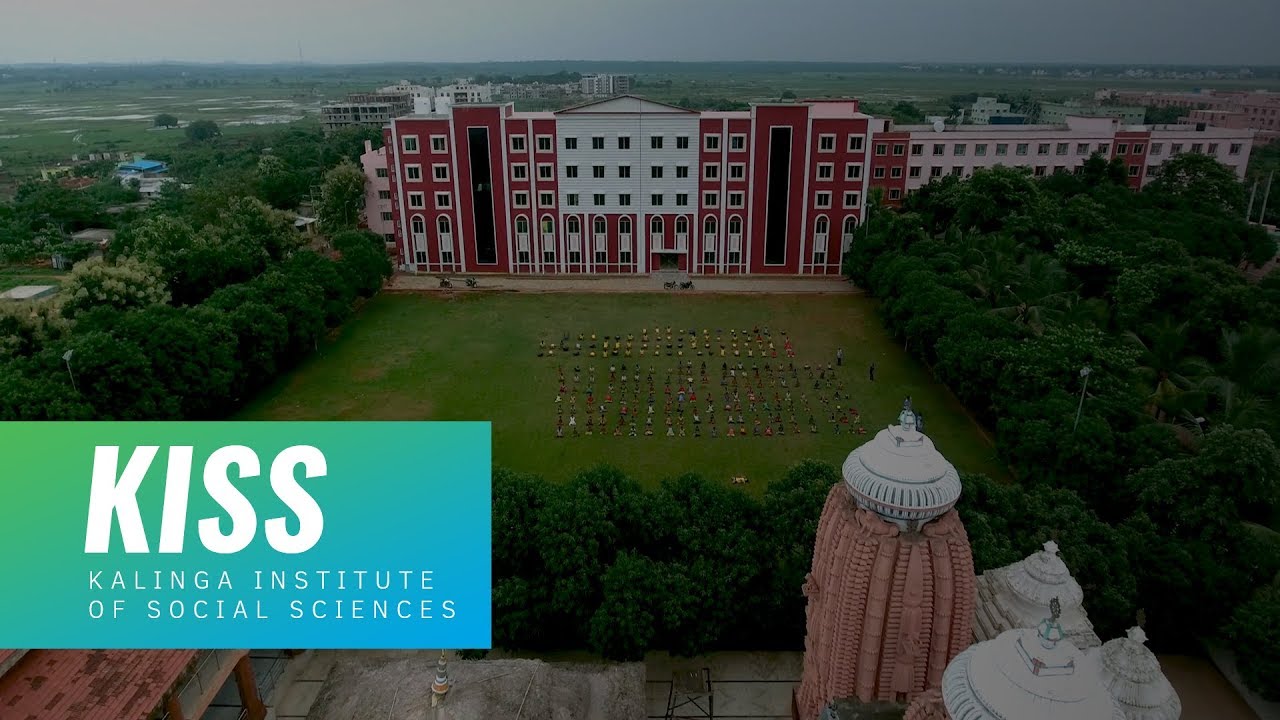
Kalinga Institute of Social Sciences
Bhubaneswar , Odisha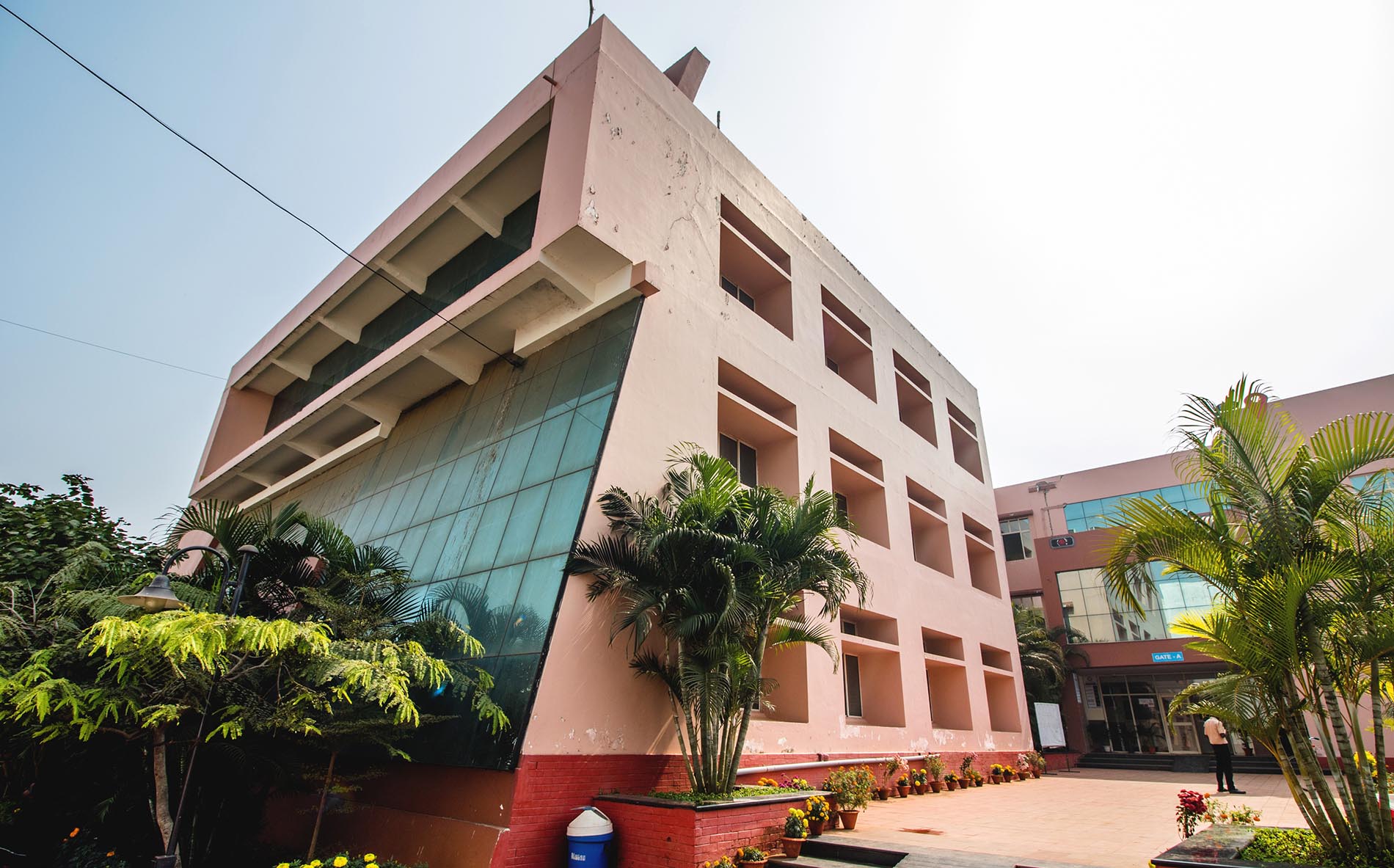
School of Computer Engineering
KIIT University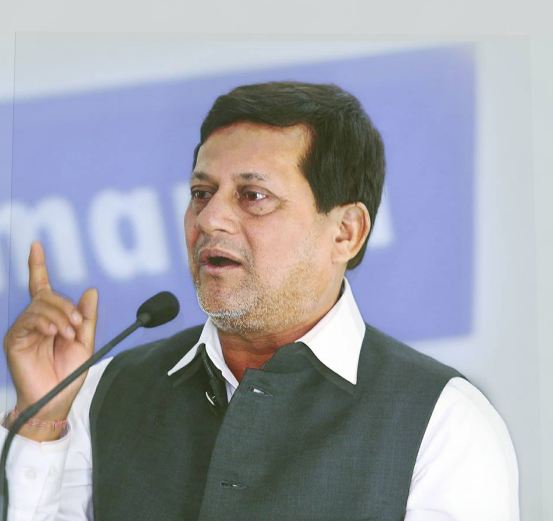
Our Founder
KIIT & KISS University
Our Mission
- Discuss the importance of Information and Communication Systems for Social Welfare and emerging technological developments.
- Present cutting-edge solutions to societal issues using latest innovative technology.
- Analyze the emergence of behavioral patterns in human societies, understood as complex artificial societies to understand human behaviour.

Our Plan
- Present and discuss practical solutions concerning society welfare and management.
- Evaluate the opportunities, trends, risks, advantages and disadvantages of Information and Communication Technology for humanities and social welfare.
- Discuss integrated solutions and technologies used for the health sector and for social services.

Our Vision
- Address the challenges associated with the medical-social-technological perspective.
- Identify current motivations, problems and success factors in the adoption of Information and Communication Technology in public and private social and health systems.
- Evaluate problems and management challenges.
- Discuss future trends on social science and behavioral studies.
About Odisha

The name Odisha is derived from Sanskrit word 'Odra Vishaya' or 'Odra Desa'.
Odisha stands for its ancient glory and modern endeavor. It covers a journey from being the homeland of 67 tribal communities to becoming a sports destination and an in vestment heaven. The Odisha state, which was once a land of Kings and Kingdoms, now boasts of being rich source of natural resources.
About Bhubaneswar
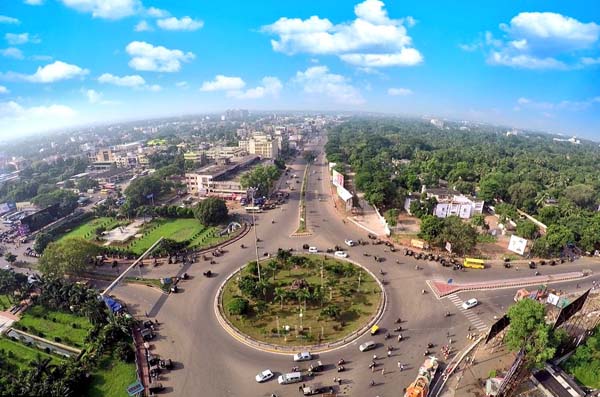
Bhubaneswar derived its name from Tribhubaneswar, which literally means the Lord of the Three World. Along with the old town, the present day Bhubaneswar has often been illustrated as the Ekamra Khetra (Temple City). Not just in architectural and infrastructural splendor, the place is also endowed with a green canopy of forests which makes it a haven for daredevil spirit.
Call For Papers
Prospective authors are kindly encouraged to contribute to and help shape the conference through submissions of their research works and analysis. Also, high quality research contributions describing original and unpublished results of conceptual, constructive, empirical, experimental, or theoretical work in all areas of Information and Social Science are cordially invited for presentation at the conference.
Deadline for Full Paper Submission: 30th July, 2021
Notification of Acceptance/Review Result: 20th August, 2021
Submission of Camera-ready copy & Registration: 15th September, 2021
Conference Date: 10th - 11th December, 2021
Upload your paper on this link
EasyChair LinkOur Tracks
Track I: Intelligent Approach to Social and Behavioral Studies
This track is concerned with intelligent approaches to social sciences and behavioral analysis. Here computers are used to model, simulate, and analyze social phenomena. Fields include computational economics, computational sociology, cliodynamics, culturomics, and the automated analysis of contents, in social and traditional media. It focuses on investigating social and behavioral relationships and interactions through social simulation, modeling, network analysis, and media analysis.- Computational models of social phenomena Simulation.
- Social behavioral modeling.
- Social communities and applications.
- Dynamics of social collaborative systems.
- Social network analysis and mining.
- Mining social big data.
- Web mining and its social interpretations.
- Quantifying offline phenomena through online data.
- Opinion mining and social media analytics.
- Credibility of online content.
- Algorithms and protocols inspired by human societies.
- Social applications of the semantic Web.
- Social system design and architectures.
- Virtual communities.
- Impact of technology on socio-economic, security, defense aspects.
- Real-time analysis of social phenomena and social graphs.
- ICT based Socio-economic systems and applications.
- Collective intelligence and social cognition.
- Social informatics and interactions.
- Analytic on International Business and Cross Cultural Issues.
- Social and Ethical Issues in Information Management.
- Entrepreneurship, Start Up and Small Business Management.
- Social media research.
- Social mobility and welfare.
- Pervasive social computing.
- Population management models.
- Knowledge Management Techniques & Multi-Agent systems.
- Advances in Finance and Economics.
- A Consolidated Investigation and Intersection of Digitized Humanities with Information Management Systems
- Business Intelligence Tools and Applications.
Track II: Digitalized Approach to Humanities and Information Management
This track focuses on areas of scholarly activity at the intersection of computing or digital technologies with the disciplines of the humanities. It includes the systematic use of digital resources in the humanities, as well as the analysis of their applications. It brings digital and information aggregation tools and methods to the study of the humanities. It aims on understanding the use of digital media as part of everyday life, and how these various technologies contribute to patterns of social-human relationships and concepts of the self.- Digital cities.
- Digital computing.
- Digital economy.
- Digital health care.
- Digital humanities.
- Digital libraries.
- e-Commerce.
- e-Government.
- e-democracy.
- e-Participatory systems.
- Technological governance and policies.
- Technological innovation, Inventions & Patents..
- Digital divide.
- Technology and gender.
- Technology and globalization.
- Technological progress and sustainability.
- Technology and global warming.
- Clinical Psychology models.
- Behavioral Neuroscience.
- Cognitive & Social Sensing.
- Psychotherapy.
- Technological solutions to Marriage & Family Therapy.
- Intelligent Manufacturing Systems.
- Portfolio Selection & Optimization.
- Marketing in Digital Age.
- Environmental governance.
- E-waste Management.
- A Pragmatic Analysis and Application of Computational Intelligence in Social and Behavioral Sciences
- Qualitative and Quantitative Nursing Research
- Technological Innovation in Nursing
- Community Nursing
- Patient safety and information systems
- Recent trends in Nursing Technology
- Smart Medicine Administration
- Intelligent Nursing Education
- Intelligent models for evaluation of Nursing Education
- Nursing Management computational models
- Information Technology in Nursing
- Advanced Technologies in Patient safety
- Automated Infection Prevention & Control strategies
- Clinical Applications of Telemedicine
- Preventive e-Health Systems
- Applied Health Informatics
- E-health and Cyber Medicine
- Emergency Medicine
- Virtual Nursing
- Electronic Health Record and big data
- Technology advancements to improve patient care
- Robotics Nurse & Surgical robots
Track III: Technological Innovation in Nursing
This track intends to integrate nursing science and technology with various information management and analytical sciences to control and share knowledge in nursing. Aim is to pioneer recent trends in medical analysis, health practice, management and education as well as a broadness of other related sub-domains. It supports nurses, patients, the inter-professional personnel, and different associates in their decision-making roles to attain desired outcomes. This support is accomplished through the utilization of knowledge structures, information processes, and information technology. The tentative content list is specified here.Program Committee
Chief Patron
- Achyuta Samanta, Founder, KIIT & KISS
Patrons
- Hrusikesh Mohanty, Vice-Chancellor, KIIT
- Sasmita Samanta, Pro Vice-Chancellor, KIIT
Advisory Committee
- Biswajit Sahoo, KIIT-DU, India
- Samaresh Mishra, KIIT-DU, India
- Bhabani Shankar Prasad Mishra, KIIT-DU, India
- Suresh Babu, ServisBOT, Dublin, Ireland
- Amarita Lenka, Kalinga Institute of Nursing Sciences, India
- Muhammad Fazal Ijaz, Sejong University, South Korea
- Angelia Melani Adrian, De La Salle Catholic University, Indonesia
- Pradip Kumar Das, IIT Guwahati, India
- Areej Shahid, The University of Melbourne, Australia
- Nikesh Bajaj, University of East London, England
- BK Tripathy, VIT Vellore, India
- Rajesh Kumar, MNIT Jaipur, India
- Alfonso González Briones, Complutense University of Madrid
- Chandresh Kumar Maurya, IIT Indore
- Selvakumar Samuel, Asia Pacific University of Technology & Innovation, Malaysia
- Victor Hugo C. de Albuquerque, Federal University of Ceará, Brazil
- Abu ul Hassan S. Rana, The University of Melbourne, Australia
- Rajib Mall, IIT Kharagpur, India
- Muhammad Attique, Sejong University, South Korea
- Saroj Meher, ISI, Bangalore, India
General Chairs
- Jnyana Ranjan Mohanty, KIIT-DU, India
- Debotosh Bhattacharjee, Jadavpur University, India
- Khaled Fouad Sayed Shaalan, The British University in Dubai, UAE
- Victor Hugo C. de Albuquerque, Federal University of Ceará, Brazil
- Shafiz Mohd Yusof, University of Wollongong, Dubai, UAE
Program Chairs
- Hrudaya Kumar Tripathy, KIIT-DU, India
- Sushruta Mishra, KIIT-DU, India
- Prasun Ghosal, IIEST, India
- Sambit Kumar Mishra, SRM University, India
- Kshira Sagar Sahoo, SRM University, India
- Pradeep Kumar Mallick, KIIT-DU, India
Web Chairs
- Ajay Kumar Jena, KIIT-DU, India
- Sunil Kumar Kara. Quantumware Technical Services, Bhubaneswar
Steering Committee
- Hrudaya Kumar Tripathy, KIIT-DU ,India
- Sushruta Mishra, KIIT-DU, India
- Sambit Kumar Mishra, SRM University, India
- Kshira Sagar Sahoo, SRM University, India
Finance Chair
- Abhaya Kumar Sahoo, KIIT-DU, India
Publication Chair
- Jagannath Singh, KIIT-DU, India
- Bibhudatta Sahoo, NIT Rourkela
Publicity Chair
- Kunal Anand, KIIT-DU, India
- Akash Kumar Bhoi, SMIT, India
Technical Committee
- Paolo Barsocchi, ISTI-CNR, Italy
- P. Sanjeevi Kumar, Aarhus University, Herning, Denmark
- Noor Zaman, Professor Taylor's University
- Sardar M. N. Islam (Naz), Victoria University, Australia
- Anand Nayyar, Duy Tan University,Vietnam
- Sarbani Roy, Jadavpur University, India
- Chandreyee Chowdhury, Jadavpur University, India
- Anasua Sarkar, Jadavpur University, India
- Samir Malakar, Asutosh College, India
- Shakti Sharma, Bennett University, India
- Tanmay Bhowmik, Bennett University, India
- Hakeem-Ur-Rehman, University of Punjab, Lahore, Pakistan
- Lambodar Jena, ITER, SoA-DU India
- Quoc-Viet PHAM, Pusan National University
- Deepak Ranjan Nayak, Malaviya NIT Jaipur, India
- Pradeep Kumar Roy, IIT Surat, India
- Koppala Guravaiah, IIT Kottayam, India
- Mayank Tiwary, University of British Columbia, Canada
- Ankit Desai, Data Scientist, Embibe, Bengaluru, India
- Ishola Dada Muraina, Yusuf Maitama Sule University, Nigeria
- Prasan Kumar Sahoo, Chang Gung University, Taiwan
- Ragesh G K, Adi Shankara Institute of Engineering and Technology, Kerala
- Ebrahim Aghajari, Islamic Azad University of Ahvaz, Iran
- Prasanta Kumar Ghosh, IISc, Bangalore, India
- Sung-Bae Cho, Yonsei University, Seol, Korea
- Satchidananda Dehuri, Fakir Mohan University, India
- Ganapati Panda, NIT Meghalaya
- Ranjeet Kumar Rout, NIT Srinagar, India
- Kesava Pillai, Asia Pacific University, Kuala Lumpur, Malaysia
- Arthi R, SRM Institute of Science and Technology, India
- Hiren Kumar Thakkar, Bennett University, India
- Alok Kumar Chakraborty, NIT Meghalaya
- Kanika Agarwal, Maharaja Agrasen Institute of Technology, Delhi, India
- Parveen P Terang, JSS Academy of Technical Education, Noida, India
- Dac-Nhuong Le, Haiphong University, Vietnam
- Chandra Prakash, NIT Delhi
- Bichitrananda Patra, ITER, SoA-DU India
- Ram Prasad Padhy, IIIT, Kancheepuram, India
- T Kishore Kumar, NIT Warangal, India
- Tanmay Bhowmik, Bennett University, India
- Vazeerudeen Hameed, Asia Pacific University, Kuala Lumpur, Malaysia
- Jugal K Mishra, KISS-DU, India
- Iswar Chandra Naik, KISS-DU, India
- Manoj Kumar Behera, KISS-DU, India
- Vinothini Kasinathan, Asia Pacific University, Kuala Lumpur, Malaysia
- Ferdous Ahmed Barbhuiya, IIT Guwahati, India
- Niyati Das, Kalinga Institute of Nursing Sciences, India
- Kalyani Rath, Kalinga Institute of Nursing Sciences, India
- R Asokan, Kalinga Institute of Nursing Sciences, India
- Ankit Kumar Jain, NIT Kurukshetra
- Rishav Singh, NIT Delhi
- Chandresh Kumar Maurya, IIT Indore
- Tahira Mazumder, Ajay Kr Garg Engineering College, UP, India